Free coin value checklist
Is My Coin Rare?
Use this free checklist to see if your coin may be worth checking further.
This tool does not provide an official appraisal. It helps you identify signs that a coin may deserve a closer look.
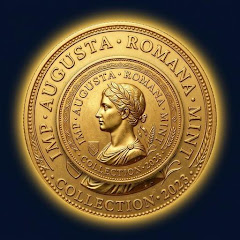
Look for signals, then save the coin properly.
Checklist result
Your checklist result will appear here.
Enter the details you can see on the coin. If you are not sure, choose the closest option and use the result as a starting point for further research.
Things to inspect next
Want to identify and track your coins properly?
CoinRelic helps collectors scan coins, save them to a personal collection, keep scan history, and organize discoveries over time.
How to tell if a coin might be rare
A coin can be interesting for several reasons: age, low mintage, unusual design details, visible errors, metal content, demand from collectors, or a combination of those factors. Age alone is not enough. Some old coins are common, while some modern coins become collectible because of mint errors, limited releases, or unusual varieties. A practical first pass is to record the country, date, denomination, mint mark, and condition, then compare those details with trusted references and similar sold examples.
The goal is not to guess an exact value from a quick glance. A better goal is to decide whether the coin deserves more research. If the date is older, the mint mark is unclear, the design looks unusual, or the coin appears to be in strong condition, it is worth slowing down and documenting it properly.
Why mint marks matter
A mint mark can show where a coin was produced. Two coins with the same year and denomination may have different collector interest because they came from different mints. Some mint marks are common for a given year, while others may be scarcer. In other cases, the absence of a visible mint mark can also be meaningful, depending on the coin type and country.
Mint marks are often small and easy to miss. They may sit near the date, below a portrait, beside a building, or on the reverse side of the coin. Good lighting and a clear photo can make a major difference when checking this detail.
Why condition changes collector interest
Condition affects how collectors evaluate a coin. Heavy wear, scratches, cleaning marks, corrosion, and edge damage can reduce interest, even when the coin is old. On the other hand, a common coin in excellent or uncirculated condition may still be worth saving and researching because high-grade examples can stand out.
When reviewing condition, look at the high points of the design, the sharpness of lettering, the rims, and the surface. Avoid cleaning a coin before researching it. Cleaning can damage the surface and may reduce collector appeal.
Why coin photos help with identification
Coin identification depends on visible details. A clear photo can capture the date, mint mark, denomination, design variety, wear pattern, and possible error features. Photos also help you keep a record of a find before it gets mixed into a larger collection.
Take photos in natural light when possible. Capture both sides, keep the coin flat, and avoid harsh glare. If the coin has a suspected error, take an extra close-up of that area.
What to do after finding an interesting coin
If a coin looks promising, save the details before you move on. Record the country, year, denomination, mint mark, condition, photos, and any notes about unusual features. Then compare it against reputable references and similar sold examples. For higher confidence, especially with rare or expensive coins, consider a professional opinion from a reputable dealer or grading service.
CoinRelic is designed for this research habit: scan the coin, save it to a personal collection, keep scan history, and organize notes over time. The better your records are, the easier it becomes to revisit interesting finds later.
Coin value checklist FAQ
Can this tool tell me the exact value of my coin?
No. This checklist does not provide an official appraisal or exact value. It highlights signals that may make a coin worth researching further.
What makes a coin rare?
Rarity can depend on mintage, age, mint mark, errors, variety, condition, metal composition, collector demand, and how many examples are available in the market.
What is a mint mark?
A mint mark is a small letter or symbol that can identify where a coin was produced. Mint marks can affect collector interest for certain years and denominations.
Does condition matter?
Yes. Wear, scratches, cleaning, corrosion, and surface quality can all affect collector interest. Strong condition can make a coin more worth documenting and researching.
Why should I use CoinRelic after this checklist?
CoinRelic helps you scan coins, save them to a personal collection, keep scan history, and organize notes so interesting finds do not get lost.